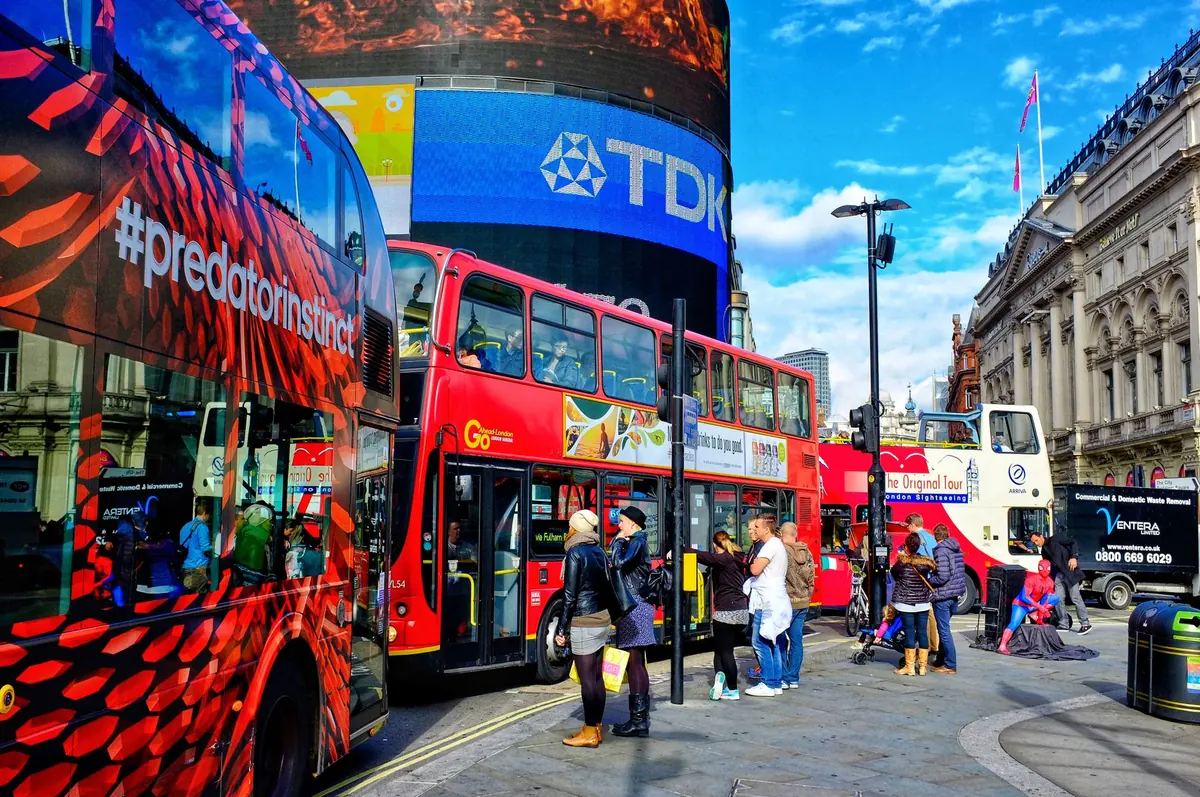
Double-deckers used to be something you rode in London, Hong Kong or Dublin and then described to people back home. That has changed. Over the past few years, transit agencies in North America, Europe and Australia have been putting them back on ordinary commuter routes — not sightseeing loops, but workhorse corridors with crowded stops and no room to add more buses. The reasons are practical, and they say a lot about what city bus networks are being asked to do in 2025.
The capacity argument is finally winning
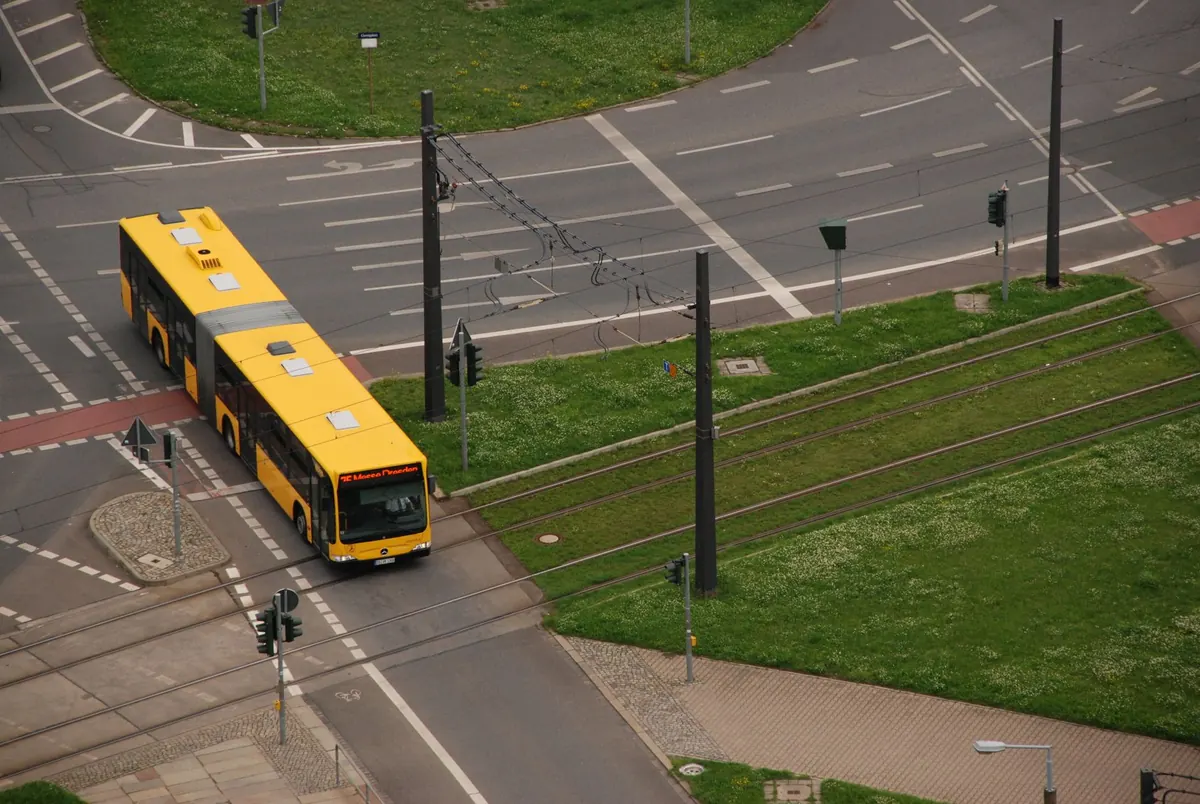
For a long time, the standard answer to a crowded bus route was a longer bus. Articulated vehicles do add capacity, but they bring their own baggage: different turning geometry, longer platforms, more maintenance complexity, and a bus that still only has about the same number of seats as a rigid single-decker.
A two-axle double-decker flips that ratio. In broad terms, a double-decker of roughly the same length as a standard single-decker carries something like a third more passengers, and a much larger share of them are seated. On a commuter route where people ride for twenty, thirty or forty minutes, seats are the product. Standing capacity looks good on a spreadsheet but it does not keep a park-and-ride customer coming back in February.
That matters most on express and limited-stop services, where a single boarding event has to move a lot of people at once. Fewer buses, each carrying more people, means fewer drivers scheduled, fewer vehicles to maintain, and — increasingly the deciding factor — fewer things to electrify.
Street space is the real constraint
Cities are not running out of passengers. They are running out of road. Bus lanes are politically expensive to add, bridge and tunnel clearances are fixed, and historic centres have streets that cannot be widened at any price. In that environment, the useful question is not "how many buses can we run?" but "how many people can we move through this corridor with the space we have?"
Double-deckers help on three fronts at once:
- Bus lane throughput. One double-decker in a lane releases the slot a second bus would have used, which can be handed to another route.
- Stop capacity. Kerbside space is finite. Every bus that arrives occupies a stop for a few seconds; cutting the number of arrivals reduces the queueing and the dwell-time congestion behind it.
- Terminal and layover space. Downtown terminals are often the hardest piece of infrastructure to expand. A smaller fleet needs less of it.
There is a trade-off hiding in there. A double-decker takes longer to load and unload than a single-decker, because everyone funnels through one door area and up a staircase. On routes with heavy turnover — short hops, lots of on-and-off — that extra dwell time can wipe out the gains. On routes where most passengers board once and stay aboard, it barely registers.
Electrification changes the maths
Here is the argument that has quietly moved the most decision-makers. When you convert a diesel fleet to battery-electric, the cost is not just the buses. It is the chargers, the substation upgrades, the depot electrical capacity, the grid connection, and the physical space to park and plug in every vehicle.
Fewer buses means fewer of all those things. If a double-decker can do the work of roughly one and a half single-deckers on a given corridor, an agency can hit its capacity target with a smaller electric fleet and a smaller charging installation. That is a capital-cost conversation, and capital costs are what get approved.
What the engineers are still working on
Double-decker electrification is not trivial. Batteries are heavy, and weight sits low in a single-decker but competes for space with the upper deck in a double-decker. Roof space that would normally hold battery packs is also where you would want the height to stay under bridges. Many electric double-deckers therefore run on three axles, which spreads the load but adds cost and complexity. Operators also watch gross vehicle weight carefully, because a full upper deck of passengers is a meaningful payload on its own.
None of this is unsolvable — European and Asian manufacturers have been delivering electric double-deckers for years — but it does mean procurement takes longer than ordering another batch of single-deckers.
The passenger side of the ledger
Riders tend to like them, and not only for the view. The upper deck is quieter. On a busy route, being able to sit down at all is the difference between a bus you choose and a bus you tolerate. Transit agencies that have introduced double-deckers on suburban commuter corridors often report the vehicles attracting attention and use, which is a marketing benefit that is hard to buy.
The honest counterpoints are worth stating plainly:
- Stairs are a barrier for some passengers, and a fall risk for others. Boarding is slower, and the upper deck is unusable for anyone who cannot climb.
- Wheelchair and mobility-aid spaces sit on the lower deck, and there are usually only one or two. That limits how many passengers needing those spaces a single bus can carry.
- Cleaning, inspection and CCTV coverage of two decks takes longer. It is real labour, every night.
Where they work, and where they don't
Double-deckers suit long radial routes into a downtown with constrained terminals, park-and-ride shuttles, airport and stadium services, and high-demand trunk corridors where the street simply cannot take more buses. They also work well on tourist-heavy corridors, where the upper deck does double duty as an attraction.
They fit badly on routes dominated by very short trips, on streets with low bridges, low wires or overhanging trees, and at depots whose maintenance bays and wash racks were built for a lower roof line. Before anyone orders a fleet, someone has to drive the route in a vehicle of the right height — and that includes the back entrance and the fuel or charging bay.
How to read a double-decker proposal
If your city is floating the idea, the useful questions are specific ones:
- What is the average trip length on the route it would serve? Long trips favour two decks; short ones do not.
- Where do passengers actually get on and off? Heavy turnover is the enemy of staircase boarding.
- Can the depot, wash and maintenance bays take the height, and can the route take the height?
- Does the capacity gain reduce the number of vehicles and chargers you need, or just add a different vehicle type to the fleet?
- How many wheelchair spaces are on the lower deck, and is that enough for this corridor?
- Has anyone timed a real boarding at the busiest stop in the peak, with a stopwatch, rather than modelling it?
Double-deckers are not a universal fix, and any agency that buys them for the wrong corridor will spend years explaining the dwell times. But on the right route, they solve a problem that has no other cheap answer: moving more people through a street that will never get wider. Expect to see more of them — and expect the electric ones to arrive first on the longest, busiest commuter runs.
Photo: TonyNojmanSK / Pexels