The double-decker bus looks like a simple idea: put a second floor on a bus. It is also one of the hardest vehicles on the road to get right. Two decks of passengers in a body that still has to duck under bridges, turn in narrow streets and stay planted in a crosswind. Everything about the type, from where the stairs sit to how high the roof can go, comes out of that argument between capacity and physics. The story runs from horse-drawn omnibuses in 1820s Paris to battery packs bolted under the lower floor.
Horse omnibuses and the invention of the cheap seat
The omnibus itself was a French idea. Stanislas Baudry ran a service in Nantes in the 1820s, Paris followed, and in 1829 George Shillibeer brought a vehicle modelled on the Parisian pattern to London, running between Paddington and the Bank. Those first buses were single-deck. The upper deck came later, as a cunning way to carry more fare-payers without making the vehicle longer or paying for another horse team.
Early tops were basic: benches along the roof, reached by an iron ladder. London operators moved through two well-known layouts. The "knifeboard" had long benches set back to back along the centreline; the later "garden seat" used cross benches facing forwards, which gave more legroom and a much better view over the side rail. Upstairs fares were cheaper, which is why the top deck was never short of custom in fine weather and always empty in the rain. By 1914 the horse bus had all but vanished from London streets, replaced by motors that were faster, cleaner and needed fewer staff.
Steam, trolley wires and the first motor deckers
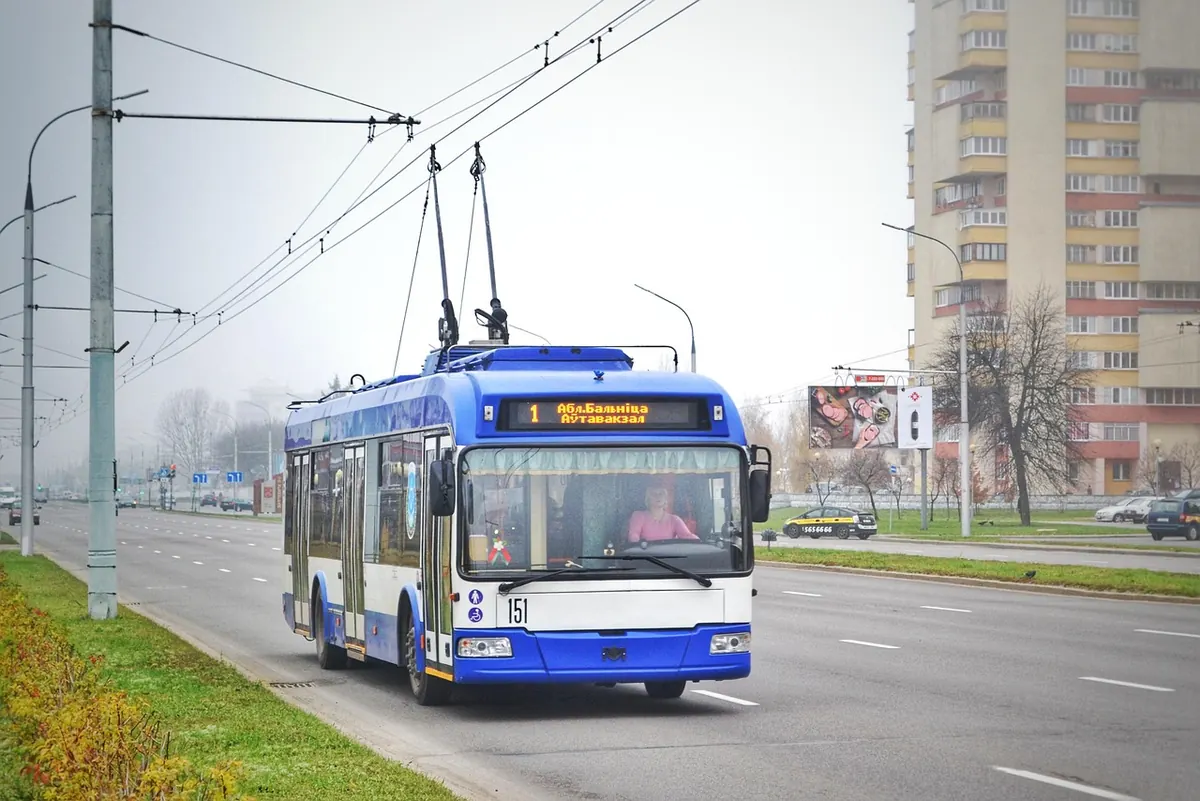
Steam buses were tried in Britain from the 1830s, and they worked well enough that road tolls and restrictive legislation were used to see them off. Electric traction arrived later by a different route: the trolleybus, drawing power from overhead wires. Double-deck trolleybuses were common in many British cities and ran in London until 1962, and they are worth remembering because they solved the same problem today's electric buses face — no engine, no exhaust, and plenty of torque for a heavy vehicle.
Petrol and diesel settled the argument in the early twentieth century. The London General Omnibus Company's B-type of 1911 is generally called the first mass-produced motor bus, and it was a double-decker with an open top. Thousands were built, many went to war service, and the lessons learned from running them at scale shaped everything that followed. Covered top decks, rare before 1920, became normal during the following decade.
The classic layout takes hold, 1920s to 1950s
Between the wars, a recognisable template emerged: half-cab design with the engine up front beside the driver, an open rear platform, and a staircase at the back. AEC's Regent and Leyland's Titan families dominated. One oddity of the period is worth seeking out at rallies — the "lowbridge" body, built with a sunken gangway upstairs so the bus could pass under low bridges. Passengers on one side of the upper deck sat in a trench.
The Routemaster and its relatives
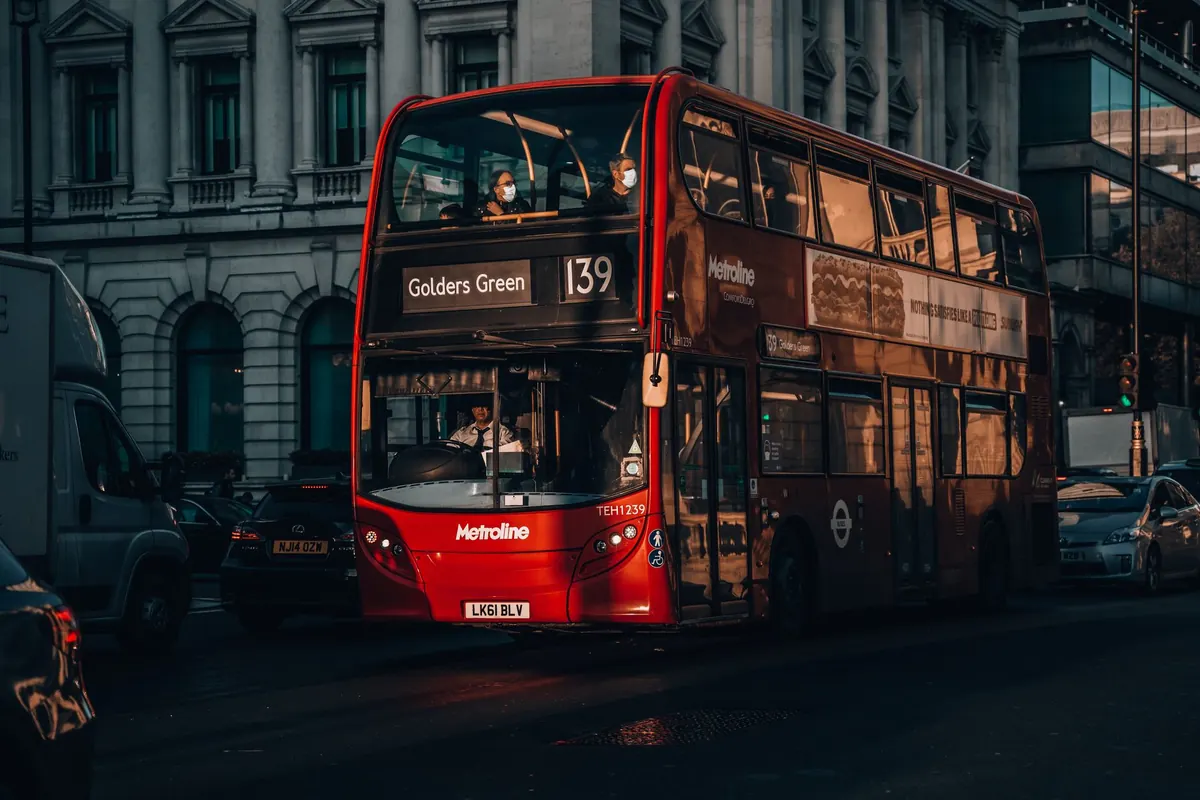
London's RT, introduced in 1939, became the standard against which later buses were judged: robust, standardised, easy to overhaul. Its successor, the Routemaster, entered production in 1956 and stayed in regular service until 2005, largely because the rear platform and conductor made boarding fast. A redesigned Routemaster returned to London streets in 2012 with three doors and two staircases. Love it or not, it proved the point that the old layout was an operational tool, not just nostalgia.
One idea, very different cities
The double-decker travels well because it is really a family of solutions. Hong Kong pushed the type further than anyone, using three-axle air-conditioned deckers to move enormous numbers of people through tight streets. Singapore, Dublin, Berlin and many British provincial towns built their networks around them. Mumbai has run double-deckers for decades, though the fleet is far smaller than it once was, and open-top versions survive almost everywhere as sightseeing vehicles.
Geography decides the details. Low bridges and tree-lined avenues force a low roof; hot climates demand air conditioning and its weight penalty; narrow lanes push operators towards shorter two-axle buses; high labour costs push them towards one-person operation, which in turn changes where doors and stairs go.
The constraints you never notice
Four limits shape every double-decker ever drawn:
- Height. Roof line is set by bridges, tunnels and overhead wires, not by what passengers would like.
- Weight and axle load. Two floors of people is already heavy; adding batteries, air conditioning or a bigger engine eats into the same budget.
- Stability. Weight goes low wherever possible. Batteries and fuel tanks sit under the lower floor for exactly this reason.
- Boarding speed. Stairs are the bottleneck. A rear platform with a conductor, a forward staircase beside the driver, or two staircases and three doors all exist to keep dwell times short.
Climb the stairs of an old decker and you can read those decisions in the layout: how steep the treads are, whether the staircase is spiral or straight, how much headroom the upper deck gives up so the roof can stay low.
Batteries under the lower deck
Every double-decker is a compromise between carrying people and staying upright.
Electric traction is the biggest change since the diesel engine, and it lands hardest on the double-decker. A battery big enough for a full day's shift weighs about as much as a couple of family cars, and it has to go low and stay out of the way of the staircase, the door wells and the wheelchair space. That is one reason several manufacturers pair a moderately sized pack with opportunity charging — a short top-up on a pantograph at a terminus — rather than chasing maximum range.
Battery-electric deckers now run in normal service in London and a growing list of cities, and hydrogen fuel-cell versions exist in small numbers where depot charging is difficult. The benefits are real: no tailpipe emissions on the busiest corridors, quieter streets, and regenerative braking that suits stop-start work. The trade-offs are real too — charging infrastructure, depot power capacity, and the extra maintenance training that any new drivetrain demands.
Older buses are not left out. Repowering and retrofit projects keep a surprising number of classic bodies on the road, though the sums only work when the vehicle is otherwise sound and the operator plans to keep it for years.
Where to meet the real thing
If the history has you hooked, the fastest way in is to ride the survivors rather than read about them. Transport museums in London, Glasgow, Manchester, Hong Kong and elsewhere hold examples from the horse era to the present, and bus rallies in summer put them on the road.
When you do get aboard, look for the details: the staircase position, the destination blind mechanism, the conductor's bell if it survives, and the way the upper deck flexes as it takes a corner. Sit at the front of the top deck once, deliberately. It is the best seat in public transport, and it explains why this awkward, top-heavy, endlessly compromised vehicle has outlasted almost every rival.
Photo: Ben Kirby / Pexels