An electric double-decker looks like a simple swap: same route, same passengers, quieter motor. The top deck changes the calculation. You are moving more mass and more air than a single-deck bus, and the upper deck adds heating and cooling load. Roof space is not a free shelf either, because overall height, weight distribution, and stability all matter. None of that makes electric double-deckers impractical. It makes early planning essential.
This checklist is written for the people who have to make the route work: schedulers, depot managers, fleet engineers, and operations planners. It focuses on the questions that decide whether a battery-electric double-decker can cover a duty cycle reliably, not just on a brochure range figure.
Start With the Duty Cycle, Not the Range Figure
A quoted range is a starting point. Your route is the real test. Two buses with identical batteries can have very different usable ranges depending on load, weather, gradient, traffic, and how long the doors stay open. Before you compare models, build a duty cycle for the route or group of routes the bus will actually run.
What to record for every route
- Distance and schedule: total trip distance, running time, layover time, and the number of trips in a block.
- Passenger load: average and peak loads, plus standing passengers if allowed. Weight matters on every climb.
- Topography: gradients, altitude, and the length of climbs. A steep section uses far more energy than a flat one.
- Stop density: stops per kilometre and door-open time. Frequent stops reduce efficiency, though regenerative braking recovers some energy.
- Climate: summer cooling and winter heating loads, including defrosting and saloon heating on both decks.
- Traffic and speed: average speed, congestion, and whether the route includes high-speed running.
- Existing data: fuel consumption or telematics from diesel or hybrid buses on the same route, converted carefully to energy terms.
Understand What Drives Energy Use on a Double-Decker
Mass is the obvious factor, but it is not the only one. A double-decker has a large frontal area, so aerodynamic drag rises quickly with speed. The upper deck can be harder to heat evenly, and passengers expect a comfortable temperature on both levels. Door cycles, lighting, displays, and accessibility equipment all draw power. Add battery weight and you may need to check axle loads and passenger capacity.
That trade-off is central to route planning. More battery can mean more range, but it can also mean less payload, higher energy consumption, and a longer charging time. The right question is not "What is the biggest battery available?" It is "What is the smallest battery that covers the duty cycle with a sensible reserve?"
Match the Charging Strategy to the Route
Charging is where route planning and depot planning meet. There are three broad approaches, and many operators use a mix.
Depot charging
Overnight charging at the depot is usually the simplest model. Buses return, plug in, and recharge before the next service. It suits routes with long layovers and a depot with enough power, space, and time. Check your electrical capacity early: adding several high-power chargers can require a transformer upgrade, new cabling, and utility coordination that takes longer than bus delivery.
Opportunity charging
Opportunity charging tops up the battery during the day at termini or intermediate points. A pantograph or plug-in connection can add energy during a scheduled layover. This reduces the battery size needed, but it demands reliable infrastructure at the charging point, a layover long enough to connect, and a plan for what happens if a charger is unavailable.
Mixed strategy
Many double-decker fleets combine overnight depot charging with a top-up at one or two key locations. The aim is to keep the bus in service without carrying more battery than necessary. Map every trip against charging windows, then test the plan with the tightest schedule, the coldest day, and the busiest load.
Build a Route Planning Checklist
- Define the worst-case duty cycle. Use winter temperature, full passenger load, and a diversion or traffic delay.
- Calculate energy per trip. Use measured data where possible and add a clear operational reserve.
- Check weight and height limits. Confirm axle loads, bridge restrictions, depot access, and any low structures on the route.
- Confirm charging power and location. Identify the exact bay, cable route, and power supply for each charger.
- Schedule layovers for charging. If a top-up is required, the timetable must protect the time to connect and disconnect.
- Plan for temperature extremes. Heating and cooling can change energy use significantly, so model both seasons.
- Account for battery degradation. A bus near the end of its life will not perform like a new one; plan for the later years, not just year one.
- Train drivers and depot staff. Smooth acceleration, correct charging procedure, and fault reporting all affect reliability.
- Prepare a contingency. Decide what happens if a charger fails, a bus is delayed, or a route is diverted.
- Pilot before full rollout. Run one bus on one route, measure real consumption, and adjust before committing the fleet.
Charging Details That Often Get Missed
Infrastructure failures are rarely caused by the charger alone. They come from the details around it: insufficient power at the site, a bay that blocks other vehicles, a pantograph that cannot align in wind or snow, cables that are awkward to handle, or a schedule that leaves no recovery time. For double-deckers, also check roof equipment, wash procedures, and clearance in the depot.
Involve your utility and a qualified electrical engineer before you order hardware. Ask about peak demand, load management, future fleet growth, and whether charging can be shifted to cheaper hours. If charging is shared with other depots or routes, agree who has priority when power is limited.
The Operational Reserve Is Your Real Range
Usable range is not the same as quoted range. Batteries are managed between state-of-charge limits, cold weather reduces available energy, and operators need a buffer for delays. A bus that finishes a trip with 3% charge is not reliable; it is lucky. Set a reserve policy with operations and stick to it.
Treat the brochure range as a test result, not a timetable.
If a model looks marginal on paper, it will be marginal in service. Choose a bus and charging plan that can cover the route on a bad day, not only on a mild spring afternoon.
Pilot, Measure, Then Commit
Start with one double-decker on a representative route. Log energy consumption by trip, charging time, availability, and any schedule delays. Compare the results with your model, then adjust battery size, charging power, or route allocation. A successful electric double-decker deployment is not just a bus purchase; it is a route, a depot, and a timetable working together. Do the groundwork first, and the top deck can keep carrying passengers for years without the range anxiety.
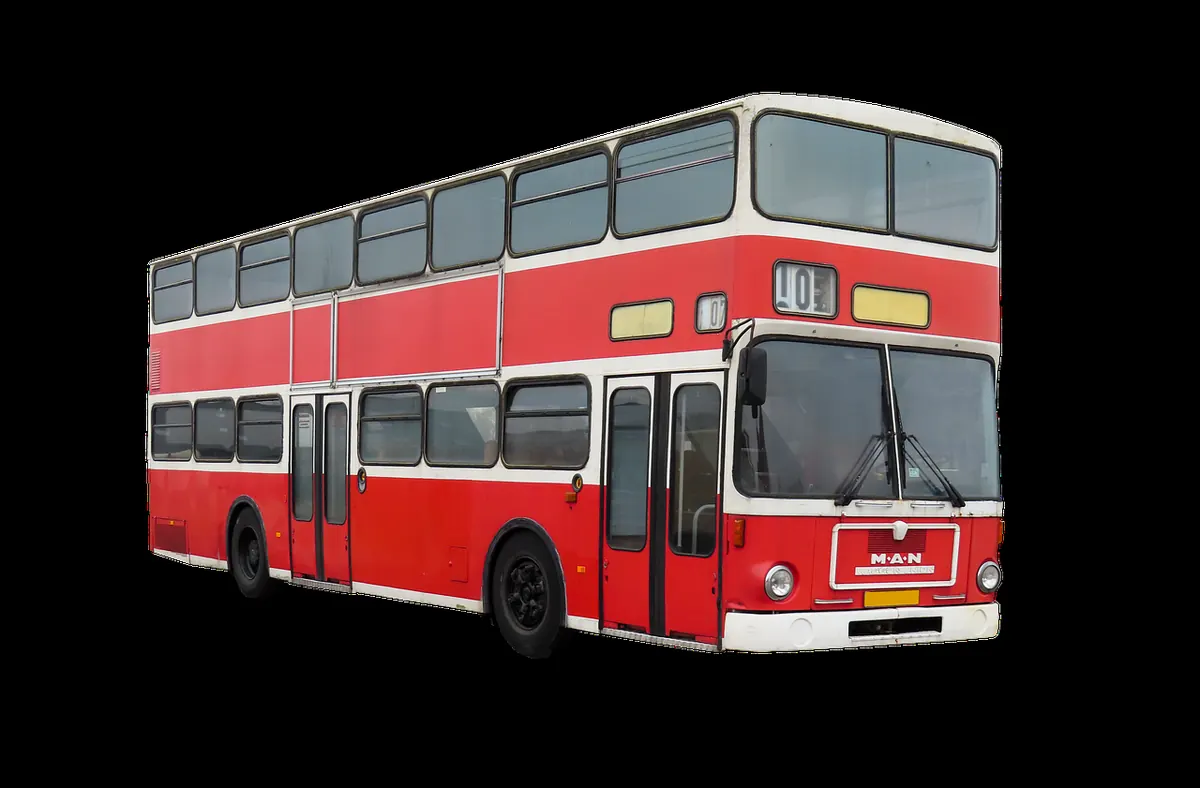
Photo: garten-gg / Pixabay